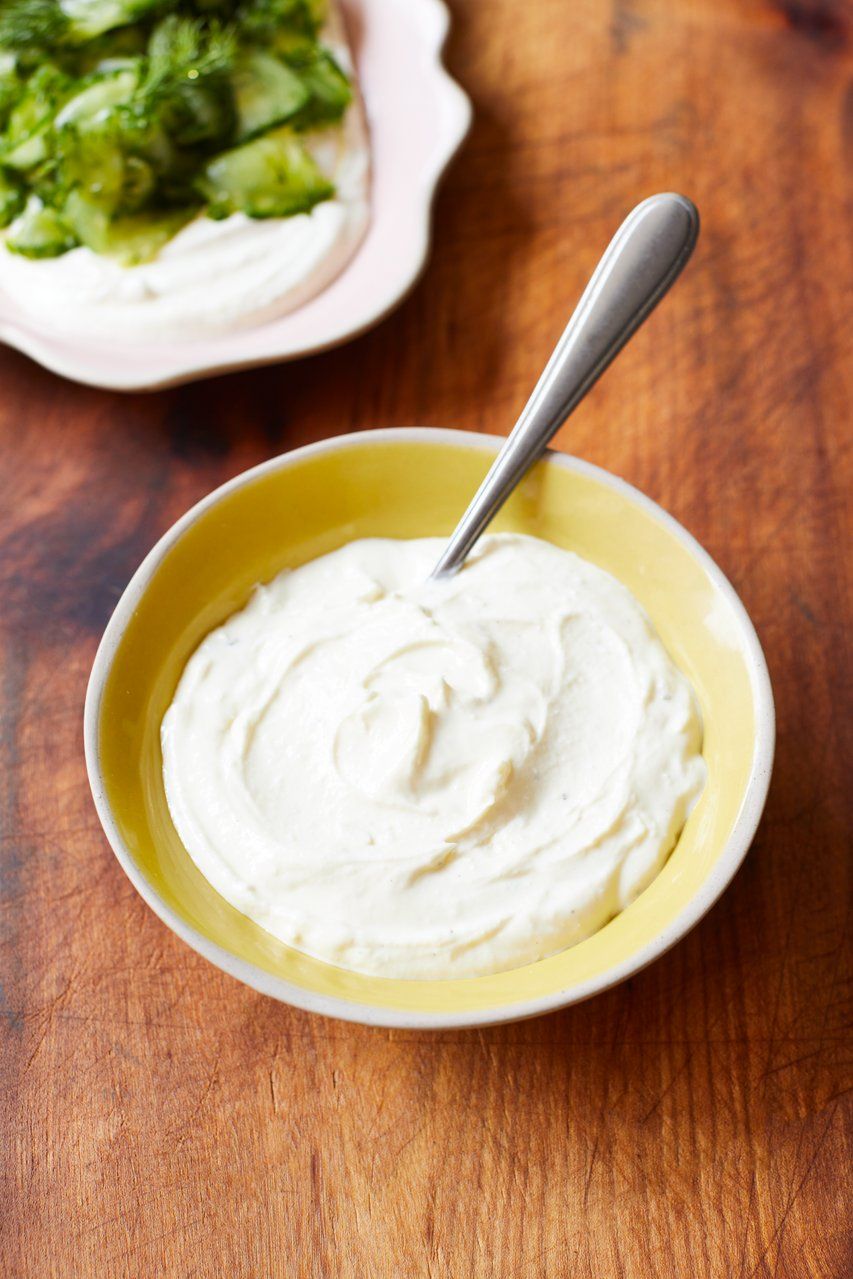
Achieve Perfect Whipped Feta: Key Ingredients for Creamy Texture
Whipped feta has rapidly ascended the ranks of go-to appetizers, gracing tables from casual gatherings to elegant dinner parties. This creamy, tangy, and incredibly versatile dip offers a delightful alternative to traditional spreads, providing a burst of Mediterranean flavor that captivates taste buds. While its popularity is undeniable, achieving that *perfect* creamy, luscious texture in your whipped feta requires more than just tossing ingredients into a food processor. It hinges on understanding the role of key ingredients and mastering a few simple techniques. If you're looking to elevate your homemade spread to new heights, this comprehensive guide will unlock the secrets to truly irresistible whipped feta recipes.
The Foundation of Flavor: Choosing Your Feta Cheese
The star of any whipped feta recipe is, naturally, the feta cheese itself. The quality and type of feta you select will profoundly impact the final taste and texture of your dip. This isn't a place to cut corners – invest in the best quality feta you can find.
For an undeniably creamy whipped feta cheese, always opt for an 8-ounce block of feta packed in brine. This is crucial for several reasons:
- Moisture Content: Feta stored in brine retains its natural moisture, contributing significantly to a smoother, more emulsified end product.
- Authentic Flavor: Brine-packed feta typically offers a richer, more authentic flavor profile, whether it's made from cow's milk or the more traditional sheep's milk (or a combination). Each type brings its own subtle nuances in creaminess and saltiness.
- No Caking Agents: Pre-crumbled feta, while convenient, often contains anti-caking agents that can give your whipped feta a grainy or less uniform texture. Since you'll be blending everything in a food processor, there's no real benefit to buying it pre-crumbled.
Before you even begin blending, taste a small piece of your chosen feta. This will give you an idea of its inherent saltiness and creaminess, allowing you to adjust other seasonings as needed. A high-quality feta will offer a pleasant tang and a satisfying salt content that provides a robust base for your dip.
The Secret to Silky Smoothness: Dairy & Oil Selection
Beyond the feta, the next most critical components for achieving that coveted silky, luxurious texture are your choice of dairy and olive oil. These ingredients work in harmony to transform the crumbly cheese into a velvety spread.
The Dairy Dilemma: Greek Yogurt vs. Alternatives
Many whipped feta recipes incorporate a dairy component to enhance creaminess and add a touch of tang. While some might reach for cream cheese or sour cream, **whole milk unsweetened Greek yogurt** is widely favored for its unique properties:
- Thickness: Greek yogurt is naturally thicker and less watery than regular yogurt, contributing a dense, luscious body to the dip without thinning it out excessively.
- Tanginess: It introduces a light, bright tang that perfectly complements the salty feta, preventing the dip from becoming too heavy or one-dimensional.
- Lighter Profile: Compared to cream cheese or sour cream, Greek yogurt offers a slightly lighter base, allowing the feta's flavor to shine through while still providing ample richness.
A general guideline is to use about ½ cup of Greek yogurt for an 8-ounce block of feta, but this can be adjusted slightly to achieve your desired thickness – more for a lighter dip, a touch less for a denser spread.
If Greek yogurt isn't available, crème fraîche is an excellent alternative, offering a similar richness and slight tang, though it might yield a subtly different flavor profile. Plain whole milk yogurt could work in a pinch, but be mindful of its higher water content, which may require a slightly longer blending time or a bit less olive oil to reach the perfect consistency.
The Golden Elixir: High-Quality Olive Oil
Just like with the feta, the olive oil you choose will make a noticeable difference. Opt for a **high-quality extra virgin olive oil** for best results. This isn't just about lubricating the blender; the olive oil contributes significant flavor and plays a crucial role in emulsifying the mixture into a smooth, unified dip.
- Flavor: A good extra virgin olive oil offers fruity, peppery, or grassy notes that enhance the overall Mediterranean character of the dip.
- Texture: When drizzled in slowly, the olive oil helps create a light, fluffy, and smooth texture by aiding in the emulsion of the feta and yogurt.
Avoid using generic or low-quality olive oils, as their flavor can be flat or even unpleasant, detracting from the fresh taste of your whipped feta.
Beyond the Basics: Elevating Your Whipped Feta with Flavorful Additions
Once you've mastered the basic whipped feta, the culinary world truly becomes your oyster. This versatile base is perfect for experimentation, allowing you to infuse it with endless flavor variations. Think of it as a blank canvas ready for your creative brushstrokes.
Consider these additions to transform your basic `whipped feta recipes`:
- Herbs & Spices: A generous sprinkle of lemon zest brightens the flavor profile, while a pinch of chilli flakes adds a gentle warmth. Fresh herbs like finely chopped parsley, dill, mint, or oregano can introduce aromatic depth. A roasted garlic clove or two blended in can also impart a sweet, mellow garlic flavor.
- Sweet Touches: For a delightful contrast, a drizzle of honey before serving can elevate the dip to a sweet-and-savory sensation, especially when paired with nuts or fresh figs.
- Tang & Acidity: A splash of white wine vinegar or a squeeze of fresh lemon juice can sharpen the flavors, cutting through the richness and adding another layer of complexity.
- Savory Toppings: Sun-dried tomatoes (tart and sweet), toasted pine nuts (buttery crunch), finely chopped olives, or a sprinkle of za'atar or dukkah make excellent garnishes that add texture and complementary flavors.
The beauty of whipped feta is its adaptability. Whether you prefer a zesty lemon-herb variety or a sweet honey-nut combination, the base recipe provides a perfect starting point for personalized culinary adventures.
Mastering the Technique: From Ingredients to Irresistible Dip
With the right ingredients in hand, the final step is to bring them together using the correct technique. While a powerful food processor is ideal for achieving the smoothest, most ethereal texture, you can also accomplish this with a stand mixer or even a sturdy whisk and a good amount of elbow grease.
Here's the essential process for your `whipped feta recipes`:
- Initial Blend: Crumble your feta cheese into the bowl of your food processor. Add the whole milk unsweetened Greek yogurt and a good grind of fresh black pepper.
- Process to Smoothness: Blitz the mixture for 2 to 3 minutes. During this time, you'll need to scrape down the sides of the bowl once or twice to ensure all ingredients are evenly incorporated and no stubborn chunks remain. The goal is a relatively smooth, cohesive paste.
- Slow Drizzle of Oil: With the food processor running on low, slowly drizzle in your high-quality extra virgin olive oil. This gradual addition is key to emulsifying the mixture, leading to that light, fluffy, and smooth texture you're aiming for. Continue blending until the dip reaches your desired consistency – it should be thick and luscious, yet easily spreadable.
- Chill for Perfection: Once blended, cover the whipped feta and place it in the refrigerator for at least 30 minutes, or until needed. Chilling allows the flavors to meld and the dip to firm up slightly, enhancing its texture.
Whipped feta keeps well in an airtight container in the refrigerator for up to 3 to 5 days. Be aware that the mixture will naturally thicken the longer it is refrigerated. For the best serving experience, allow it to sit out at room temperature for 10-15 minutes before serving to soften slightly and regain its optimal creamy consistency.
Unleash Its Potential: Creative Serving Suggestions for Whipped Feta
The versatility of whipped feta is one of its most appealing attributes. It can be much more than just a dip. From simple appetizers to main course components, its creamy texture and tangy flavor can elevate a wide array of dishes.
Here are some creative ways to incorporate this delicious spread into your culinary repertoire:
- Classic Dip: Serve it simply with an assortment of fresh crudités (cucumber, bell peppers, carrots), warm pita bread, or your favorite crackers.
- Mediterranean Spread: Spread it generously on a plate and top with roasted vegetables (like zucchini, eggplant, or bell peppers) for a stunning Mediterranean-inspired side dish or light lunch.
- Sandwich & Wrap Enhancer: It's fantastic served inside a warm pita with grilled chicken, pork, or falafel, adding a creamy, tangy layer of flavor. It also makes an excellent spread for toast or sandwiches, transforming a simple meal into something special.
- Breakfast Booster: Try spreading leftover whipped feta on crusty toast, ready to be topped with a perfectly poached egg and a sprinkle of chilli flakes for a gourmet breakfast.
- Unexpected Pairings: For a surprisingly delicious twist, fold leftover whipped feta through mashed potatoes to add a creamy, savory kick. It can also be dolloped onto warm soups or serve as a base for grain bowls.
For even more creative serving ideas and an easy 5-minute recipe, check out our guide on
Easy 5-Minute Whipped Feta: Versatile Dip & Serving Ideas. And to truly explore its culinary range, dive into
Beyond the Bowl: Creative Ways to Enjoy Whipped Feta Dip.
In conclusion, crafting the perfect whipped feta is a delightful culinary journey that begins with understanding your ingredients. By prioritizing high-quality feta, selecting the right dairy, and drizzling in excellent olive oil, you lay the groundwork for an exceptionally creamy and flavorful dip. With a few simple blending techniques and a willingness to experiment with additional flavors, you'll be creating `whipped feta recipes` that are not only irresistibly delicious but also endlessly versatile. So go ahead, blend up a batch, and prepare to impress!